Float and boost charging for forklift and e-rickshaw fleets
Getting the crossover point right so a shared charger does not quietly cook one chemistry to suit another.
A float-cum-boost charger has two jobs and one setting that decides whether it does them well.
Boost applies an elevated voltage to push charge in quickly. Float drops to a lower voltage that holds the battery topped up without gassing it. The crossover between them is the setting that matters.
Set it wrong in one direction
Stay in boost too long and a lead-acid battery gasses, loses water and — in a sealed VRLA unit that cannot be topped up — loses capacity permanently. The fleet notices this as batteries that "never last".
Set it wrong in the other
Drop to float too early and the battery never reaches full charge. It is chronically undercharged, sulphates, and again the fleet notices batteries that never last. Same symptom, opposite cause.
The mixed-fleet trap
Lead-acid, VRLA and lithium want different voltages and different termination behaviour. A shared charger configured for one chemistry will mistreat the others. If a depot runs a mixed fleet, either segregate the chargers or specify a unit whose profile is selectable per output.
What our FCBC line offers
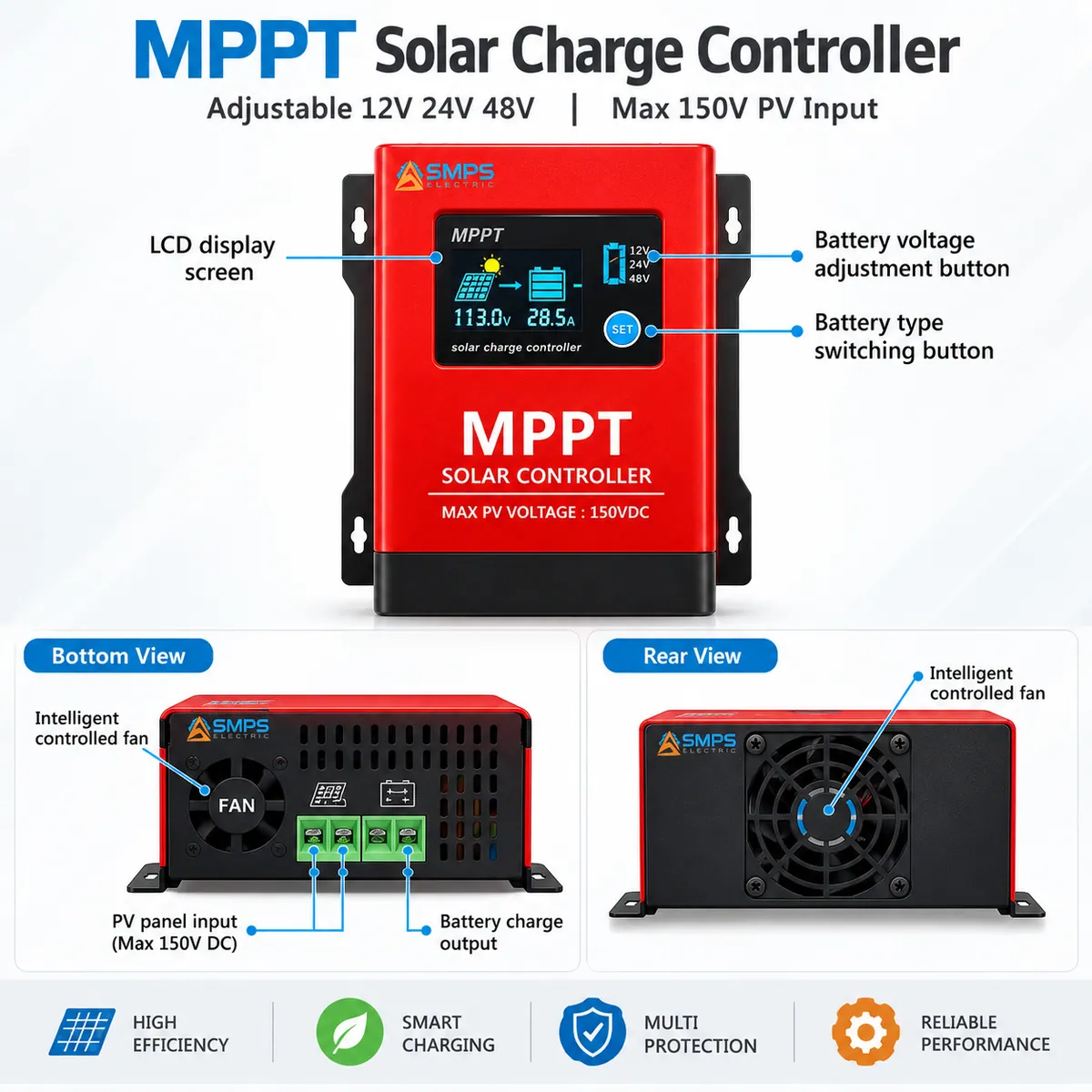
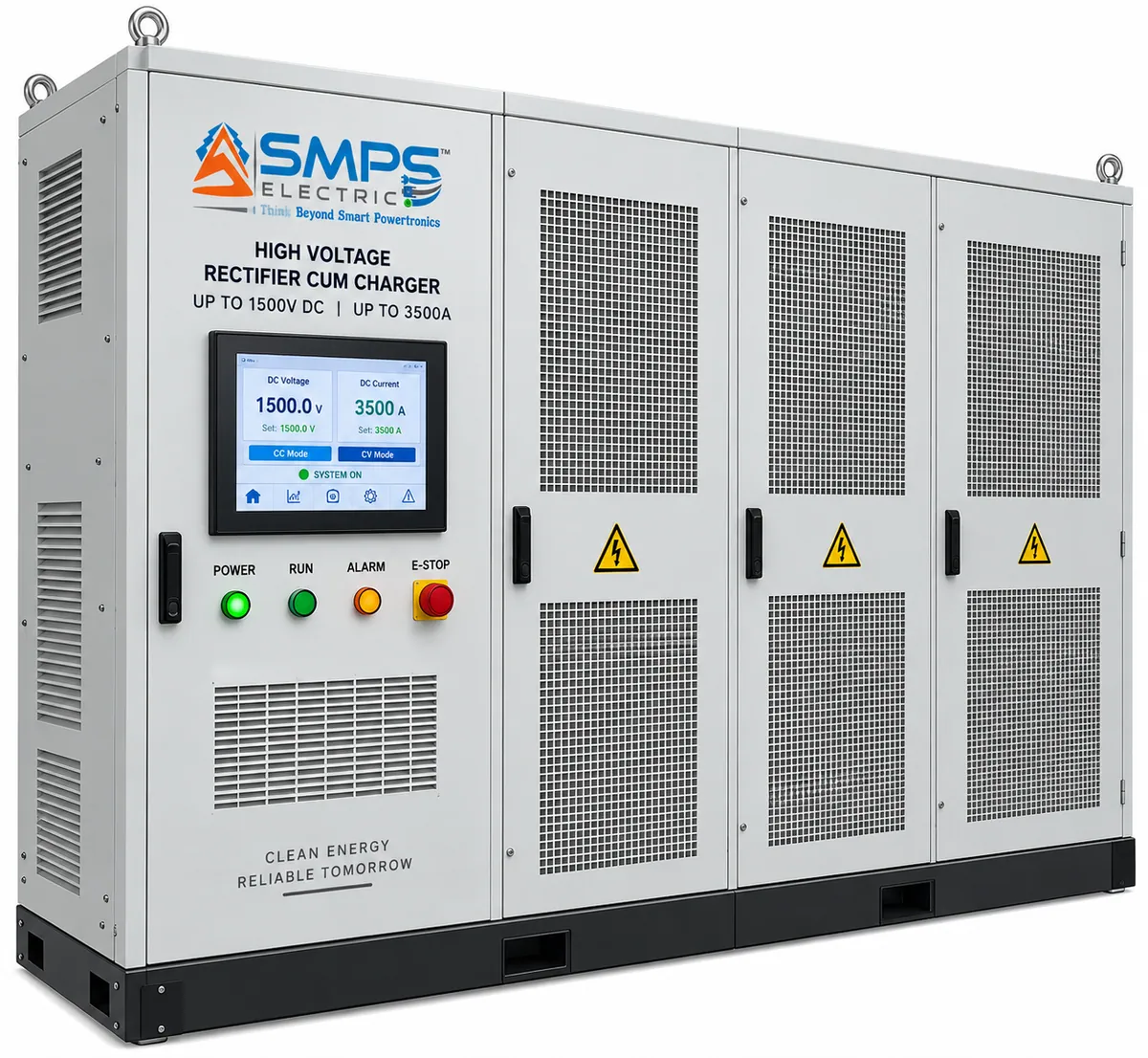
7, 15, 20, 30 and 40 kW classes. Output 6 to 220 V with 48, 60 and 72 V selectable, 20 to 120 A, and one to three independent outputs. Li-ion, lead-acid and VRLA profiles, with CAN as an option so the charger and the pack agree on what is happening rather than guessing.
There is also a handheld aluminium-case portable charger for field and workshop use.
Need this applied to your site?
Send the load profile and our engineers will answer with a configuration.
Discuss Your Project